
In today’s financial landscape, having a good credit score is often seen as essential for obtaining loans. However, many individuals find themselves with bad credit due to various reasons like medical bills, job loss, or other unforeseen circumstances. The reality is that bad credit can prevent borrowers from securing loans from traditional financial institutions. Fortunately, loans for bad credit are available and can serve as a lifeline for individuals in need of immediate financial assistance. This article explores the options available for those with bad credit, helping you understand how to navigate this sometimes daunting process.
What is Bad Credit?
Before diving into loans for bad credit, it’s essential to understand what constitutes bad credit. Credit scores typically range from 300 to 850. A score below 580 is generally considered bad credit. Lenders use credit scores to assess the risk of lending money. A low score might indicate a higher risk of defaulting on a loan, prompting lenders to charge higher interest rates or deny loans altogether.
Types of Bad Credit Loans
- Secured Loans: These loans require collateral, such as a car or property, which acts as security for the lender. If the borrower fails to repay, the lender can seize the collateral. Secured loans tend to have lower interest rates than unsecured loans because they present less risk to lenders.
- Unsecured Loans: These loans do not require collateral but often come with higher interest rates. Individuals with bad credit may find it challenging to obtain unsecured loans, but some lenders specialize in these types of loans for high-risk borrowers.
- Payday Loans: Although they are an option for quick cash, payday loans typically come with exorbitant interest rates and fees. They are short-term loans that must be repaid by the borrower’s next payday. Borrowers should approach payday loans with caution due to their high costs and potential to lead to a cycle of debt.
- Peer-to-Peer Lending: This relatively new concept connects borrowers to individual lenders through online platforms. Peer-to-peer lending can offer better interest rates than traditional lenders and may have more flexible approval criteria.
- Credit Union Loans: Credit unions are member-owned institutions that may offer loans with more favorable terms and lower interest rates for members, even those with bad credit. Joining a credit union could be a viable option for those seeking loans.
Tips for Getting Loans with Bad Credit
- Check Your Credit Report: Before applying for a loan, check your credit report for inaccuracies. Errors can negatively impact your score, and disputing these errors may help improve your credit rating.
- Know Your Credit Score: Understanding your credit score helps you know what lenders may see when you apply for a loan. This knowledge allows you to identify suitable lenders who may offer loans to individuals with your credit score range.
- Consider a Co-Signer: If you have a family member or friend with good credit, consider asking them to co-sign your loan. A co-signer can improve your chances of approval and may help you secure a lower interest rate.
- Shop Around: Different lenders have varying qualification criteria and terms. Take the time to compare offers from several lenders to find the most suitable option for your situation.
- Demonstrate Income Stability: Lenders want assurance that borrowers can repay the loan. Providing proof of stable income, such as pay stubs or tax returns, can help convince lenders of your ability to repay.
- Propose a Reasonable Loan Amount: Asking for a smaller loan may increase your chances of approval. Lenders are often more willing to lend smaller amounts to high-risk borrowers.
The Role of Lenders
Not all lenders are created equal. Lenders that specialize in bad credit loans usually offer more flexible terms than traditional banks. However, borrowers should be cautious, as some lenders may take advantage of those in difficult financial situations. Always read the fine print and ensure you understand the terms, including interest rates, fees, and repayment schedules.
Interest Rates and Fees
Interest rates for loans for bad credit can be substantially higher than those for borrowers with good credit. It’s essential to be mindful of interest rates and fees when applying for loans. Look for lenders that are transparent about their charges, and avoid those that engage in predatory lending practices.
Risks of Bad Credit Loans
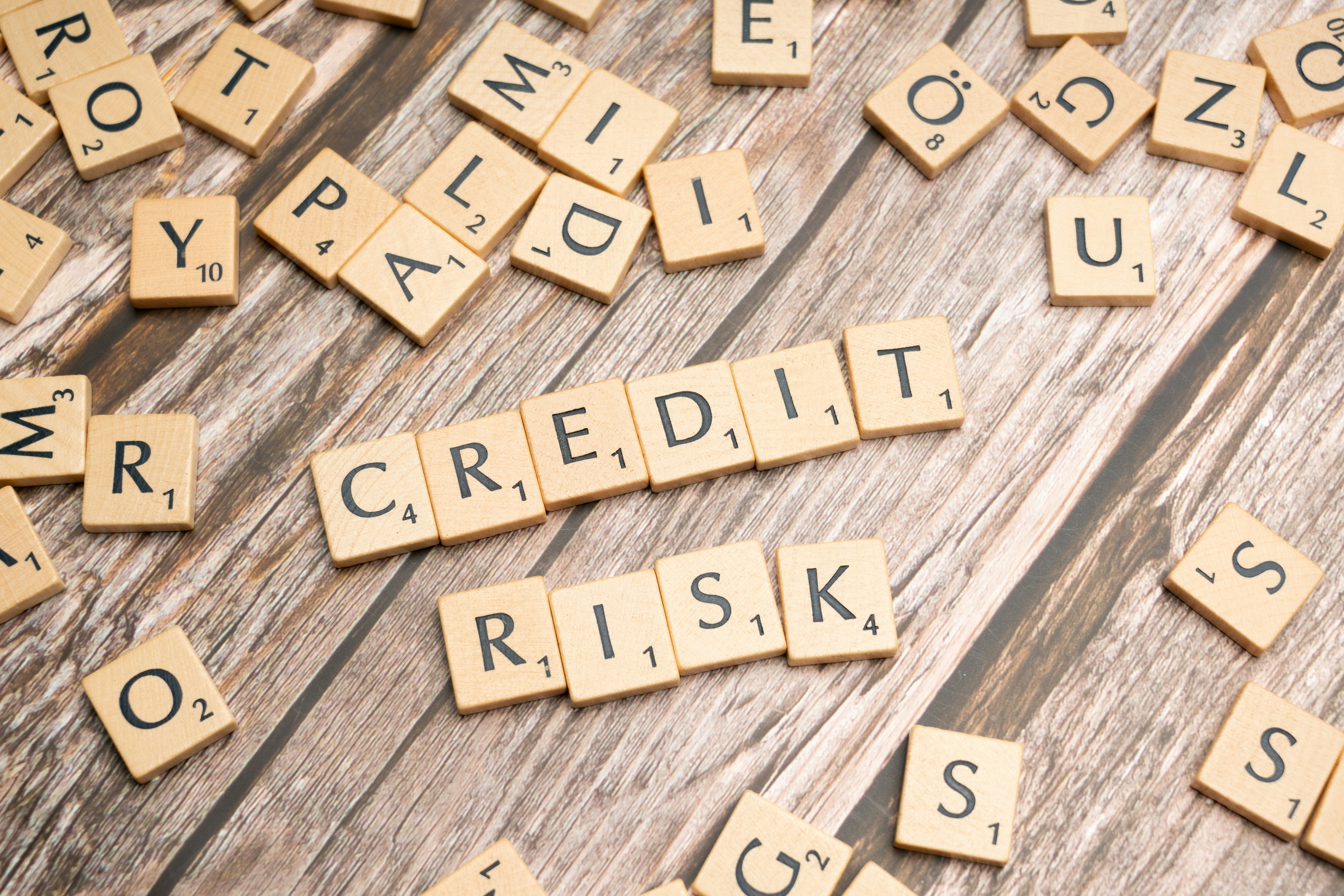
While loans for bad credit can provide financial relief, they also come with risks. The most significant risk is falling into a cycle of debt where high-interest loans make it difficult to manage repayments. Additionally, missing payments can further damage your credit score and lead to additional financial trouble.
Improving Your Credit for Future Loans
Securing a loan is often just the first step; improving your credit score should be a priority for future financial health. Here are some strategies to consider:
- Make Timely Payments: Always pay bills on time. Timely payments have a positive impact on your credit score.
- Reduce Credit Card Balances: High credit utilization negatively affects your score. Aim to keep your credit utilization below 30%.
- Avoid New Credit Applications: Each application for credit can slightly lower your score. Instead, focus on improving your existing credit situation.
- Consider a Secured Credit Card: Secured credit cards require a cash deposit that serves as your credit limit. Responsible use can help improve your credit score.
Conclusion
Loans for bad credit are available for those who need financial assistance, but it is essential to approach them with caution. If you loved this article and you would certainly like to obtain even more details pertaining to bad credit loan [my review here] kindly see the internet site. Understanding your credit, shopping around for the best lenders, and making informed financial decisions can lead to a positive borrowing experience. If used wisely, loans for bad credit can help you get back on your feet while also paving the way to a better credit score in the future. Always seek to improve your financial health by staying informed and maintaining responsible financial habits.